

What colors are common in modern texture wall art?
Jan 16, 2026
Leave a message
When it comes to modern texture wall art, the colors used play a crucial role in setting the mood, enhancing the aesthetic appeal, and making a statement. As a supplier of Modern Texture Wall Art, I've had the chance to explore and understand the colors that are commonly seen in this dynamic art form.
Let's start with the ever - popular neutrals. Colors like white, black, and gray are mainstays in modern texture wall art. White is a symbol of purity, simplicity, and elegance. It can be used in a variety of ways in wall art. For instance, a white - based texture wall art with subtle variations in texture can give a room an airy and clean feel. It serves as a great backdrop in minimalist or Scandinavian - style decors. You can check out our Wall Hanging Canvas Painting collection, where you'll find some amazing pieces with a predominant use of white.
Black, on the other hand, exudes sophistication and drama. A black - textured wall art can become the focal point of a room. It adds a sense of depth and mystery, especially when combined with other colors. For example, a black textured background with pops of metallic gold accents can create a luxurious and edgy look, perfect for contemporary or industrial - style interiors. It brings a touch of boldness that can transform an otherwise ordinary room into a statement space.
Gray is the versatile middle ground between white and black. It comes in a wide range of shades, from light ash to dark charcoal. Light gray wall art can create a calm and serene atmosphere, making it ideal for bedrooms or meditation spaces. Dark gray, however, offers a more moody and sophisticated vibe, well - suited for home offices or living rooms. Gray is also incredibly easy to pair with other colors, which makes it a top choice for many interior designers.
Moving on to earthy tones. Brown, beige, and taupe are common colors in modern texture wall art. Brown, often associated with nature, warmth, and stability, can bring a sense of comfort to a room. A brown - textured wall art with hints of green or orange can mimic the look of a forest or a rustic landscape. It pairs beautifully with wooden furniture, adding to the overall organic feel of the space.

Beige is a soft and inviting color. It's a lighter version of brown and is very popular in modern, cozy interiors. Beige - based texture wall art can create a warm and welcoming atmosphere, similar to a well - lit cafe. It goes well with a variety of color schemes, whether it's paired with bold accents or more muted tones.
Taupe is a more sophisticated and muted version of brown. It has a hint of gray, which gives it a cool undertone. Taupe wall art can add a touch of class and refinement to any room. It's often used in high - end interior designs to create a balanced and elegant look.
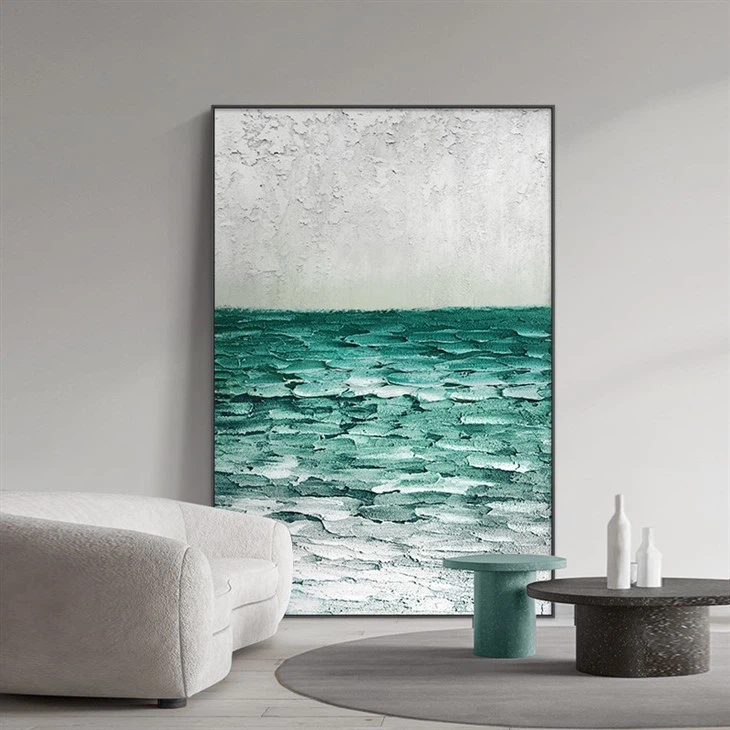
Blue is another color that's frequently used in modern texture wall art. From soft pastel blues to deep navy blues, this color has a wide appeal. Light blue is calming and soothing, making it perfect for bedrooms or bathrooms. It can create a sense of tranquility and openness, much like the sky or a clear lake. Check out our Abstract Beach Art collection, where you'll see a beautiful use of light blue to capture the essence of the beach.
Navy blue, on the other hand, is more intense and dramatic. It can add a touch of luxury and sophistication to a room. Navy - textured wall art can be paired with cream, gold, or white accents for a regal look. It's a great choice for living rooms or dining rooms where you want to make a bold statement.
Green is a color that symbolizes nature, growth, and freshness. In modern texture wall art, green can range from bright lime greens to deep forest greens. Lime green is energetic and vibrant, adding a pop of color to a room. It can be used in children's rooms or in spaces that need a bit of a pick - me - up.
Forest green is more calming and earthy. It can create a sense of being surrounded by nature, even in an urban apartment. Green wall art can also be a great addition to a dining room, as it's known to stimulate the appetite. Take a look at our Paintings For Dining Room Walls to see how green can be incorporated into a dining room setting.
Yellow is a cheerful and sunny color. It can instantly brighten up a room and lift the mood. In modern texture wall art, yellow can be used in various shades, from pale lemon to bright canary. Pale yellow is soft and soothing, while canary yellow is more attention - grabbing. Yellow wall art is a great choice for kitchens, playrooms, or any space where you want to create a positive and energetic atmosphere.
Purple is often associated with royalty, luxury, and creativity. In modern texture wall art, there are two main types of purple that are commonly used: lavender and plum. Lavender is a soft and delicate color. It has a calming effect and is often used in bedrooms or bathrooms to create a relaxing environment.
Plum is a deeper and more intense shade of purple. It can add a touch of sophistication and drama to a room. Plum - textured wall art can be a great focal point in a living room or a study, especially when paired with silver or gold accents.
Red is a bold and passionate color. It can make a strong statement in a room. In modern texture wall art, red can be used sparingly to add a pop of color or more dominantly to create a high - energy space. A red - textured wall art can be a great addition to a home gym or a game room, where you want to create an exciting and motivating atmosphere.
As a supplier of Modern Texture Wall Art, I've seen how these colors can transform a space. Whether you're going for a calm and serene look or a bold and energetic one, there's a color and a style of wall art that can meet your needs. If you're interested in exploring our collection of modern texture wall art or have any specific requirements for your project, don't hesitate to reach out. We're here to help you find the perfect piece for your space. Let's have a chat about your ideas and preferences, and together, we can create a stunning interior with our wall art.
References:
- Interior Design Magazines
- Color Psychology Studies
- Industry Reports on Modern Art Trends